 SaVurCar
Car Loading Tutorial
A step-by-step guide for safely loading a vehicle
Safety First!
Your safety and the safety of others is the top priority. Always double-check your connections and securing straps before driving.
Never exceed the hauling capacity of your vehicle or the trailer.
Position & Attach the Trailer
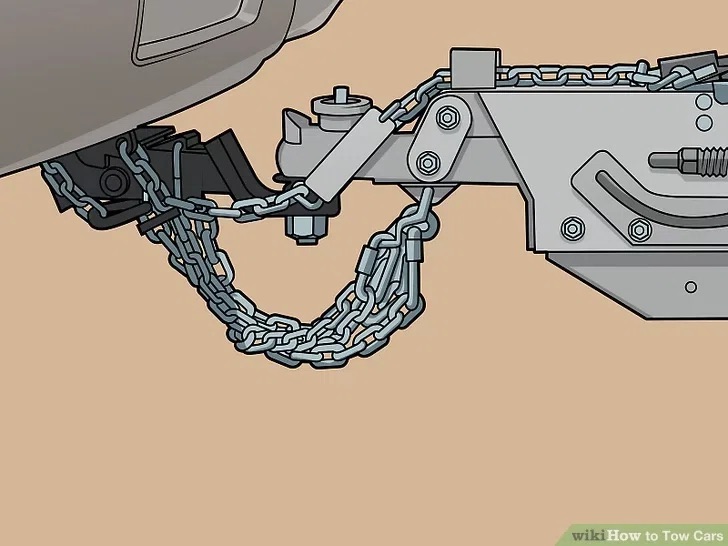
Find a flat, level surface to work on. Attach the trailer to your carrier vehicle. Secure the coupler to the hitch ball and lock it. Crisscross the safety chains underneath the coupler and attach them to your vehicle's hitch.
Prepare the Vehicle and Ramps
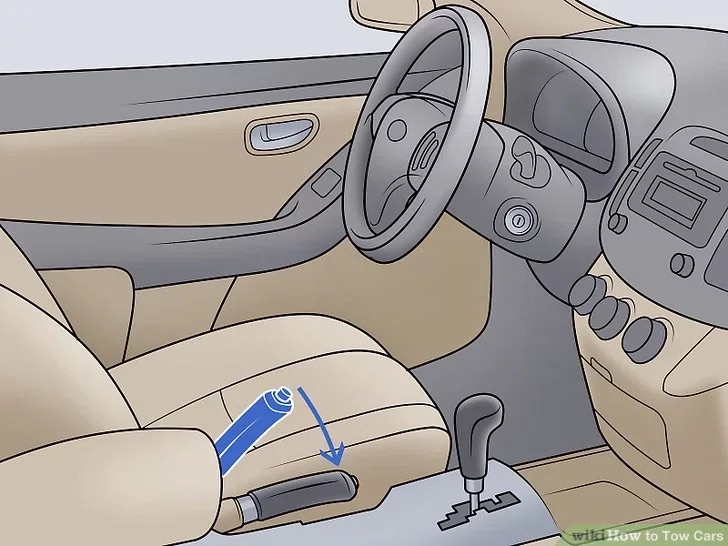
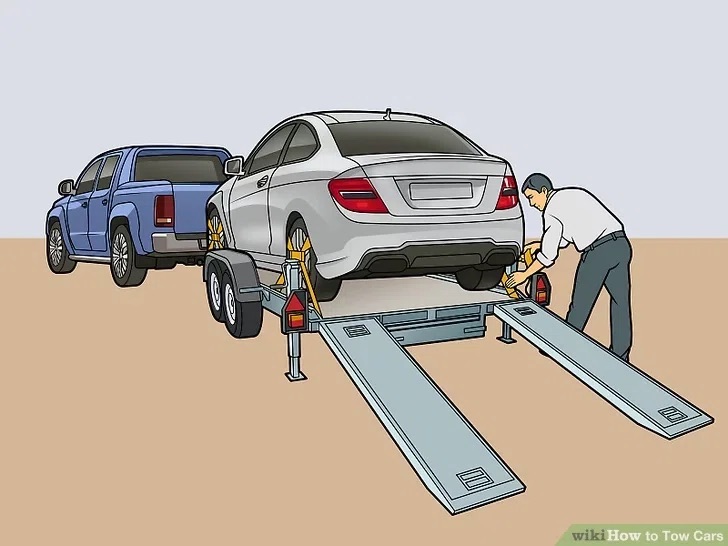
Lower the trailer ramps into position. Make sure they are secure. Before loading, ensure the vehicle to be transported is in NEUTRAL and that its parking brake is DISENGAGED. This is critical for rolling it onto the trailer.
Load the Vehicle onto the Trailer
Slowly and carefully drive the vehicle up the ramps and onto the trailer. It is highly recommended to have a spotter guide you to ensure the car stays centered. Drive forward until the front tires are against the trailer's front blocks.
Secure the Vehicle
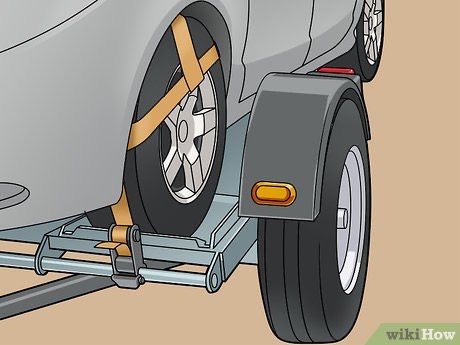
Once the vehicle is in position, put it in PARK and firmly engage the parking brake. Use heavy-duty wheel straps to secure the vehicle to the trailer. At a minimum, strap down two wheels. For maximum safety, secure all four wheels, ensuring straps are tight and properly ratcheted.
Approved Trailer Types
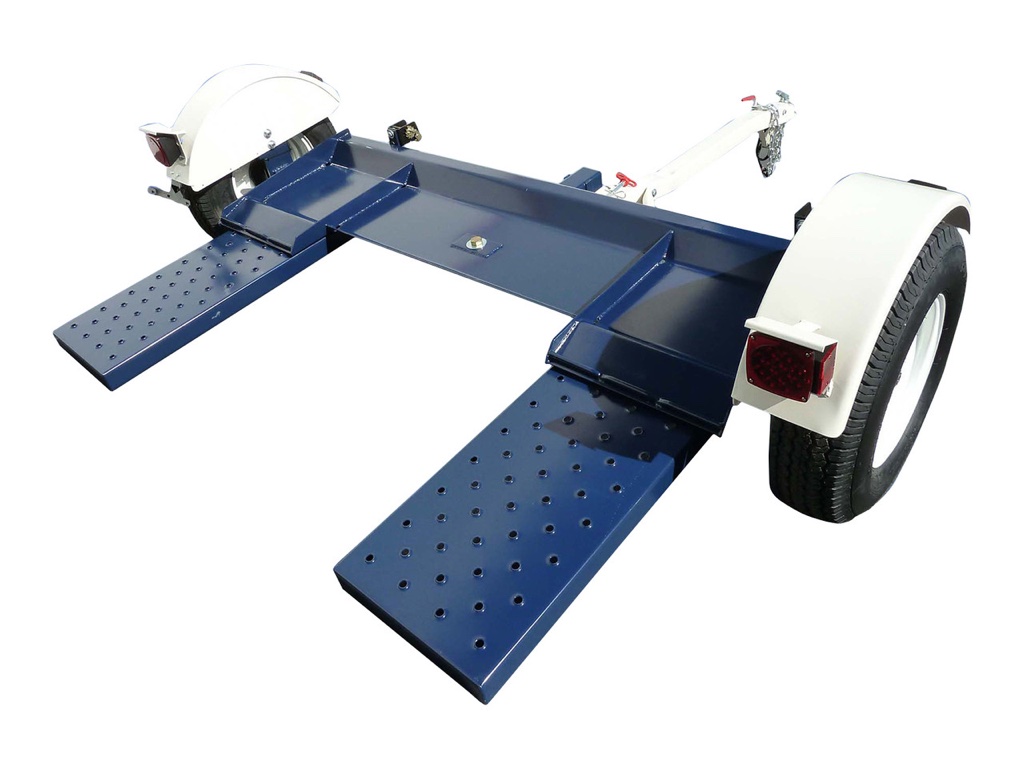
Car Carrier Dolly
Ideal for front-wheel-drive vehicles. Lifts the front wheels off the ground, while the rear wheels roll. Compact and easy to handle.
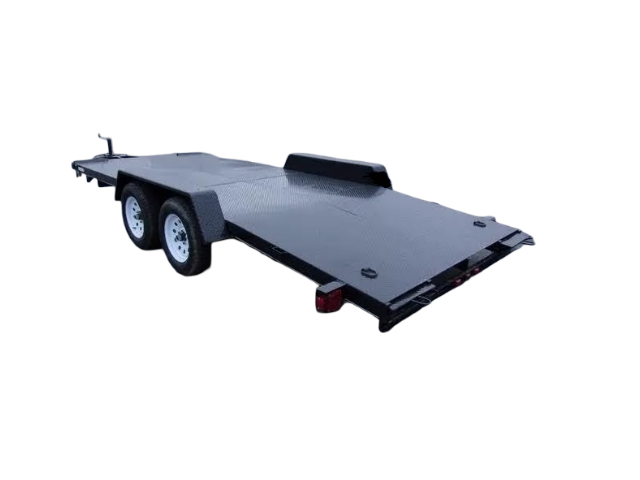
Flatbed Car Hauler
The most versatile option, suitable for all vehicle types including all-wheel-drive and rear-wheel-drive. Keeps all four wheels off the ground.
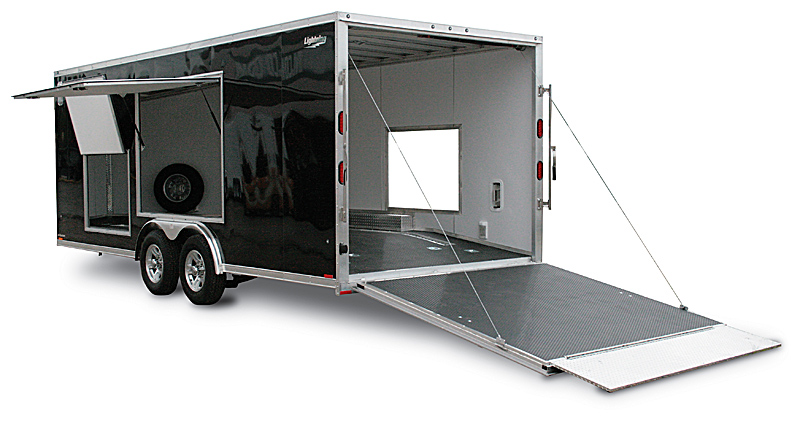
Enclosed Car Trailer
Provides maximum protection from weather and road debris. The best choice for high-value vehicles or long-distance hauls.
Final Checklist
- Raise and secure the trailer ramps.
- Connect the trailer lights and check brake lights and turn signals.
- Walk around the vehicle to confirm all straps are tight and connections are secure.
- Drive slower than usual and allow extra distance for braking.